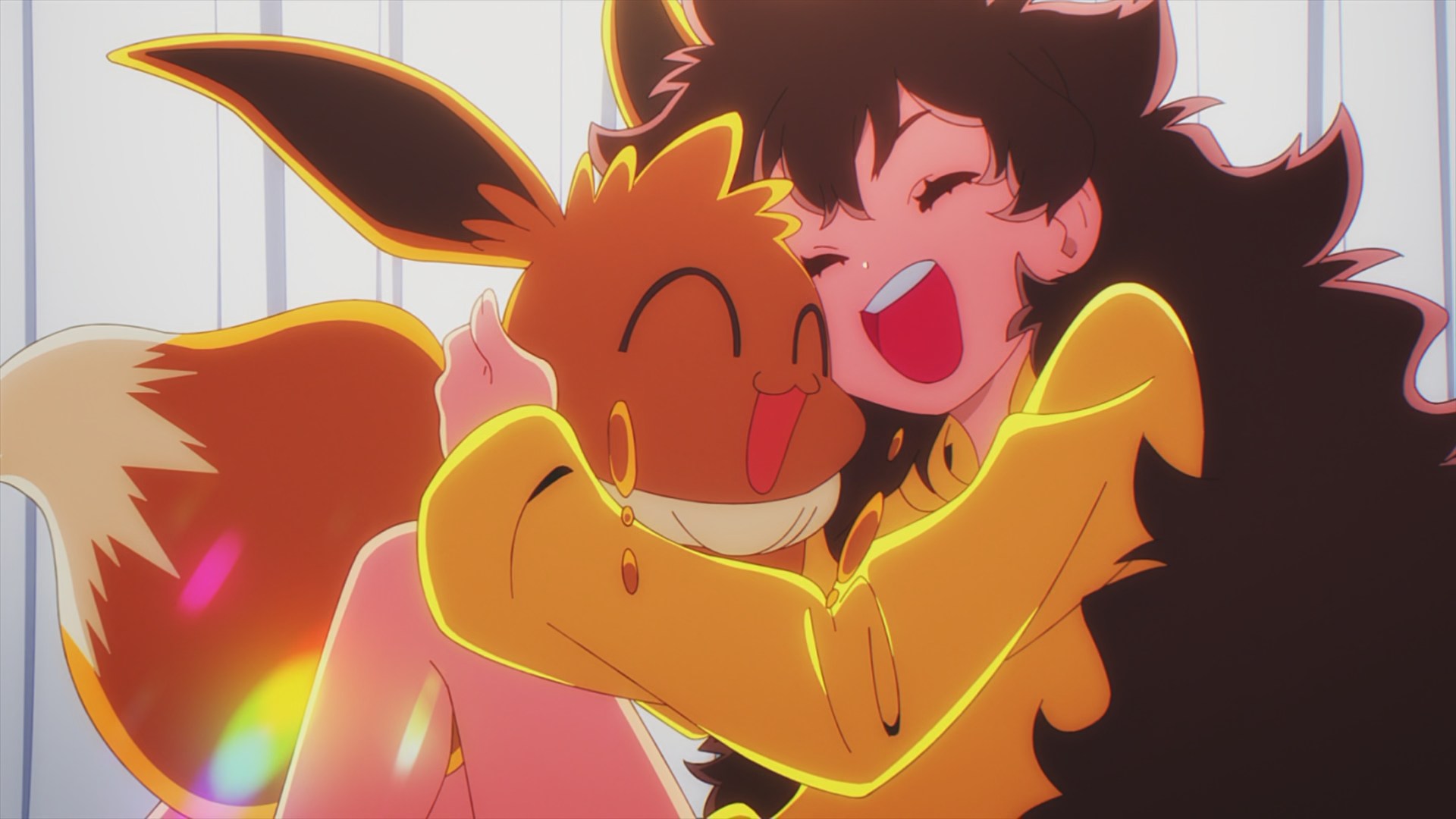
Hello everyone, I hear you lot want some interviews so here’s a really good one. Earlier this month, legendary Precure director Yuta Tanaka was interviewed by a Weibo user and it was really good. Not long after that, that same Weibo user decided to interview another legend, Yuki Hayashi! To be super clear, this is Yuki Hayashi the Character Designer and not Yuki Hayashi the composer. There’s actually quite a few people called Yuki Hayashi in the industry so thought it was best to clear up the confusion!
The interview does a pretty good job introducing Hayashi to you all so I’ll let that do the talking!
Translation by 5hiro, Editing by me. Interview with Yuki Hayashi: The Freedom of Toei, the Pain of Going Digital and the Present Ease was originally published on weibo in October 2026.
Original Link: https://card.weibo.com/article/m/show/id/2309405352425740697718
Interview with Yuki Hayashi: The Freedom of Toei, the Pain of Going Digital, and the Present Ease
Yuki Hayashi’s animation life started off with a work that left him with a strong impact, and from then on he never stopped.
From his birthplace to Tokyo, to a student getting in touch with professionals from the animation industry via social media websites, leaving the company that he has worked for 12 years, to becoming a freelancer – he has always been on the front lines of animation. He has experienced the liberty of Toei’s environment to experiment on his own, and also struggled to keep up in the early stage of top tier production. He has even experienced a time where he worked the extra mile to achieve a balanced composition, the challenges of hand-eye coordination, and the pain of not being able to grasp simple shapes when transitioning to digital. He has long hours and days of trials, facing the frustration of sacrificing certain aspects to make up for limited time. He has his own preference, and also his own boundaries; his own persistence, also his own trade-offs.
Working in Toei for 12 years, he started off doing key animation, and later on becoming the animation director, getting involved in various TV series and movies. After leaving Toei, he worked actively as a freelance animator, participating in even more genres of work, and his work style gradually changed. The wave of digitisation, collaborating with different companies and work sites, switching between character design and key animation… these experiences slowly shaped who he is today.
In this interview, we will be talking about the turning point of his career, his years in Toei, working in key animation, the difference between character design and key animation, the change that digitisation has brought, the persistence he refuses to give up on, and also his future plans.
Profile
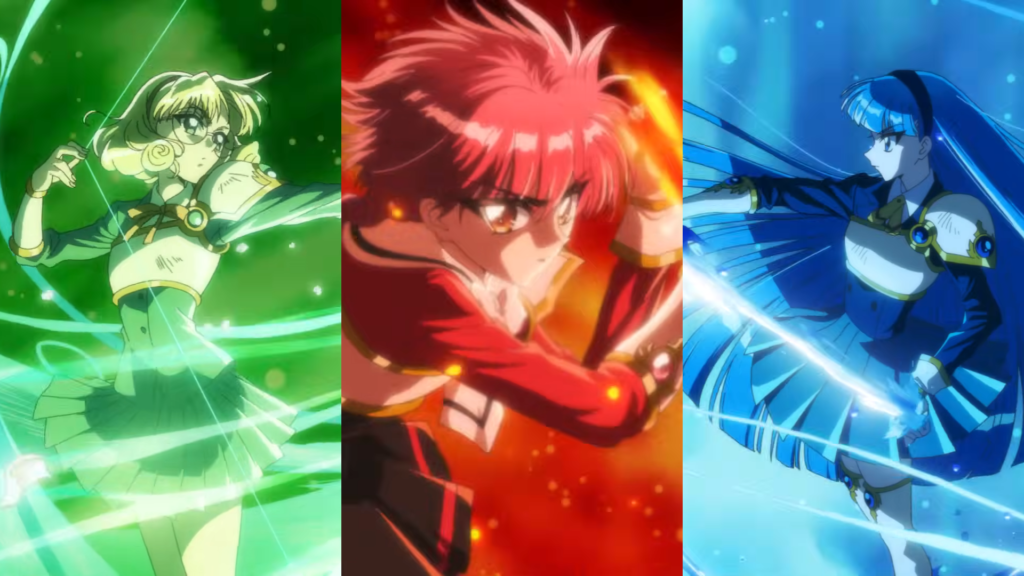
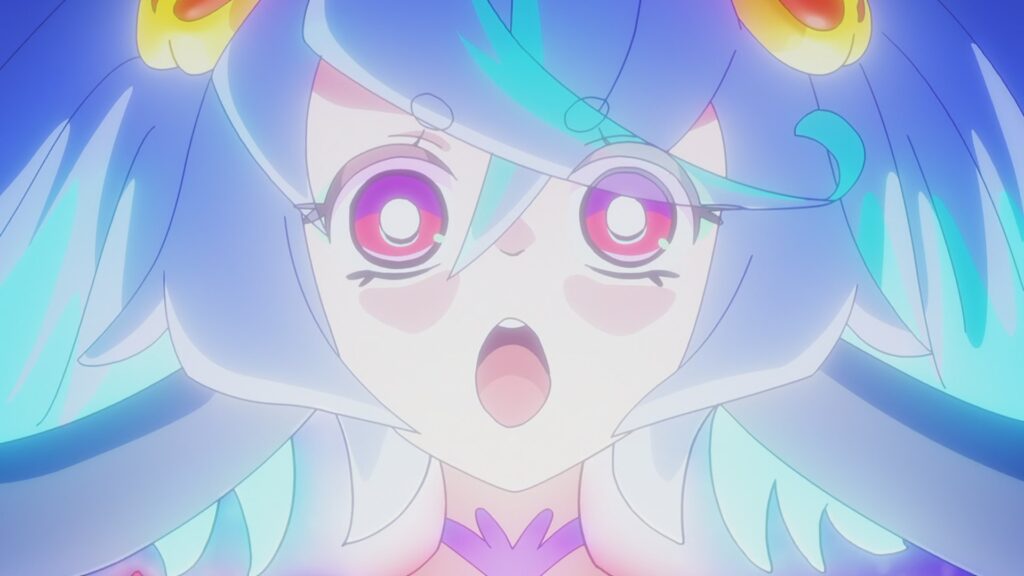
Yuki Hayashi, born in December 22, 1984, has worked in BECK (key animation), Dennoh Coil (key animation), Summer Wars (key animation), HeartCatch Precure (key animation), Mob Psycho 100 (key animation), One Piece Fan Letter (key animation and animation director), Blood Blockade Battlefront series (key animation, animation director etc), Kyousougiga (key animation, animation director, character design etc), Baby I Love You Daze (animation director, character design etc), GOTCHA! (animation director, character design etc).
Interviewer: Let’s start things off on the lighter note. What did “drawing” and “watching anime” mean to you when you were younger? Also, when you decided to go on the path of anime in high school, what were the reactions that you received, and deep down what was the deciding factor for you?
Yuki Hayashi: When I was younger, I was always watching anime, whether it was TV broadcasts, or recordings that my parents brought for me to watch, probably mostly Disney from what I remember. Drawing for me was just one of the simplest pastimes, but I do get praises from my parents and peers every now and then.
During off-days of club activities in high school, I would spend my time on oekaki boards. There were people new to the animation industry, and also people who aim to get into the industry; they gave me this vague thought of “Maybe I could try out this route?” It was also during this time that I saw Digimon Adventure: Our War Game! and FLCL that left a great impression on me. I thought “Wow, there could be interesting works like these”. During discussions with them, I gradually developed this interest and even went my way to get vocational school brochures. When I talked about it with my parents, it became a family meeting (laughs). That’s because most people around me would be aiming for university.
build note: Oekaki Boards are message boards where you could draw directly in your web browser to communicate and share drawings with others. Some Oekaki boards allowed you to view stroke by stroke animations of what people drew.
Interviewer: You mentioned Digimon Adventure: Our War Game! and FLCL that left an impact on you, specifically which part were you strongly attached to? Also, how did those impressions make the connection for you to go down this path? If you could go further into details, I would love to hear that. Additionally, during the family meeting, how did you convince them in the end? Were they against it, or did they come to an understanding? Please share the process with us.
Hayashi: I was captivated by the episode’s use of rhythm and music. Looking back, Disney and Studio Ghibli also had many things I enjoy, perhaps it was then that I had this grounding feeling: the people who worked on these films are living in the same reality as I do, and it’s not out of reach for me.
My parents’ policy has always been “No matter what, go to university first”, so of course they were against it. However I showed my determination that I wouldn’t mind even if finance gets tight, and I’ll start off working at a company with a fixed salary, and eventually they were convinced. At the time there weren’t many companies that had wage benefits like that, it was mostly based on a piece-rate pay, which is probably why they were worried. After all, I will be leaving my hometown for Tokyo, so cost is a concern.
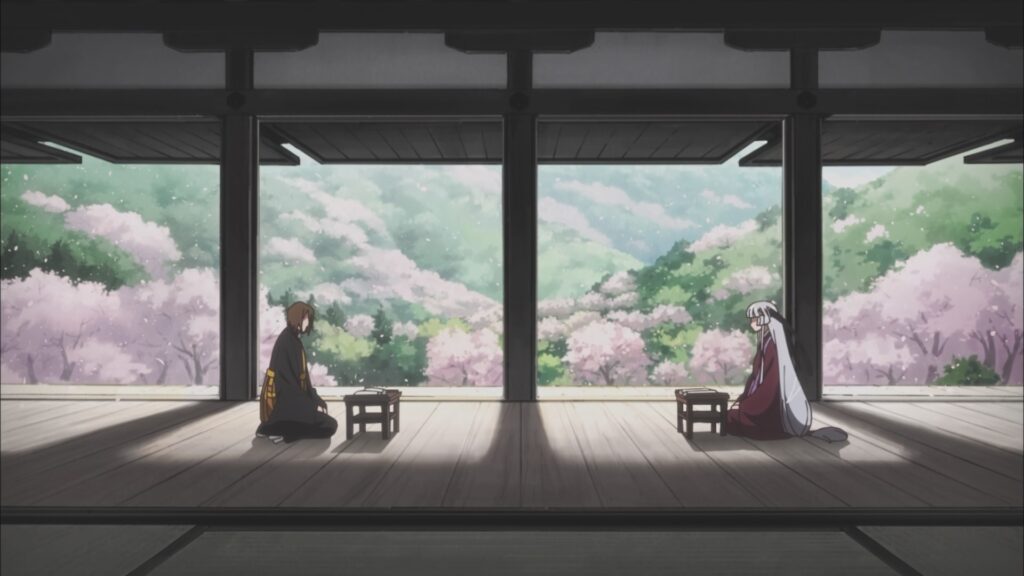
Interviewer: Next up, I would like you to share your experience entering the anime industry after moving to Tokyo. What was the toughest part of moving to Tokyo in terms of living and working? Also, when you first started entering the industry, please share with us if you had felt anything that was “Different from what you expected”. Specifically because you aimed to work at a company with stable pay, how did you feel after joining the company?
Hayashi: I was still a student when I first moved to Tokyo, I had some money sent from home, and after joining Toei I had a stable income, so luckily living-wise was not as rough as I remembered. The company’s vibe was surprisingly laid back, or should I say lenient, which wasn’t too bad. I also was part of projects produced at other anime studios, at the time I thought “With different companies, the atmosphere really differs a lot”.
On top tier studios, I had a hard time keeping up when first starting out, so Toei being on the easygoing side was just right for me at the time, it was a great environment to try out different things at ease.
build note: Hayashi graduated from the Toei Animation Institute in 2005 though he still appeared on other anime outside of Toei from time to time. One of his earliest works can be found on Beck: Mongolian Chop Squad where in Ep.1 he’s miscredited as 林祐巳. Later at his time at Toei he started going by Kouichi Hayashi 林宏一.
Interviewer: You said that different companies have vastly different work environments, exactly what kind of difference was felt? For example, with Toei’s laid back scene compared to top tier studios, and pushing forward work as the animator, work expectations, what were the differences? Also, what did you particularly attempt when you were free to experiment at Toei? If you’ve earned any experiences that you’ve later incorporated into your works, please share with us as well.
Hayashi: Just for the record, this is completely based on the impression at the time, which could be different today – Toei’s airing time is all year round , so prep time always has its limit, at the same time I feel that a director’s capabilities really shows on screen, so the extent of discretion is quite big. The same goes for animators, because in the past we didn’t have a chief animation director, so the art style is reflected directly on each episode. This makes the overall work appear inconsistent, but with perseverance, your personal efforts will stay, and motivation becomes higher.
For me, I was experimenting based by copying MADs and other exceptional key animation, after that I applied it to real work, which broadened my way of expression. As long as it’s drawn well, it will be approved even with frames that require lots of explanation, so success and failure is all on your own. There will be some occasions where frames are limited, in those cases it will be removed.
build note: MAD (Music Anime Douga) are a form of AMV (Anime Music Video) that focusses on the work of an animator. While they originated in Japan, anyone can create a MAD if they want to. There’s a subset of sakuga fans that make MADs showing off the works of animators.
Interviewer: You mentioned that you were researching with copies of MAD and other key animations, were there any particular works or frames from specific animators? Also, were there any expressions or techniques through copies that made you strongly feel “I want to make this into my own thing”? Regarding the environment where Toei didn’t have a Chief Animation Director, was it more of a positive effect on you when the director’s personality is reflected on each episode? Or did you experience any frustrations when it comes to the coherence of the overall work?
Hayashi: There are many examples of animators I referenced, so it’s hard to point out each and every one, but if there’s one that sticks out, it’ll probably be Norio Matsumoto-sensei. I like how his silhouette changes and the rhythm feels comfortable, whenever I hit a bottleneck I would reference his works. I love that kind of subtle looseness.
I don’t really have a thing I want to make my own. In other words, I wasn’t good at anything specifically, so my philosophy is: people, animals, special effects, background… I want to generally draw them well.
Every episode has its own personality, and I’m okay with that. I’ve mentioned the premise earlier on, so I don’t think it’s necessary to aim for unity to that degree.
Hayashi: Moving on, I want to ask for your guidance on the fundamental aspects while working at Toei Animation. During your time with Toei, what was your first participating work or first role of work? Additionally, was there anything that was memorable, or learnt something during your early years of Toei?
Hayashi: After being promoted to key animation, I was first allocated to work on the series Gaiking: Legend of Daiku-Maryu. As the work focuses on Ken Ootsuka-sensei’s mecha design, many external staff were recruited to work on this production, so it was very stimulating. There will be periodic “Matsuri-kai”, where you could get up close with those breathtaking key animations, this later became my biggest asset. I think that was the time I started to not only pay attention to composition, but also gradually became aware of angle movements, retouching, colour schemes, etc. Also, being able to learn tips and tricks for effortless results made me really happy.
build note: 祭典回, “Matsuri-kai” literally means “festival episode”. These are outstanding episodes in a series where the best animators will show off their finest animation well above the average episode of the series it was in. To give an example that many of our readers will understand, Tropical Rouge Precure Ep.29 is one.
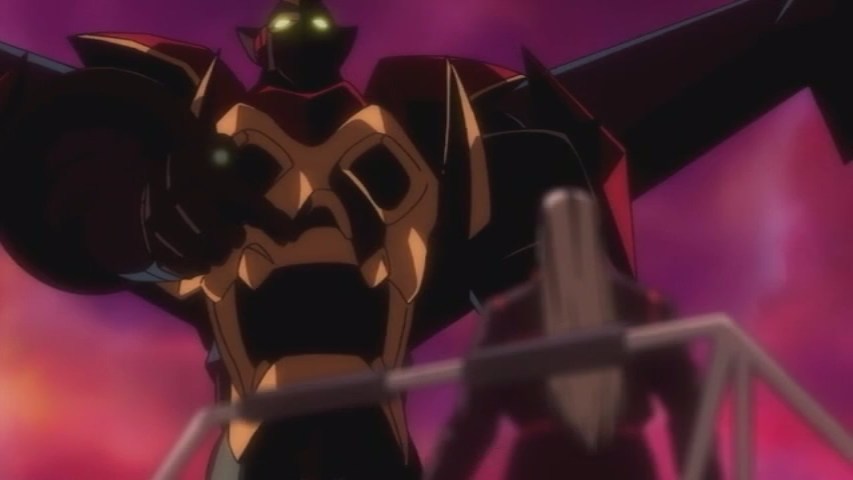
Interviewer: You mentioned that Gaiking: Legend of Daiku-Maryu had Ken Ootsuka-sensei as the focus and there were a lot of external staff involved. On this series, were there any specific key animations or expressions that inspired you? If so, do tell us in detail. Also, you said that you became aware of camera movements, compositing, and colouring. Was this based on your own research, or did you learn directly from those staff? We’d like to hear more about this process.
Hayashi: There’s way too many examples to list out, but to be able to see Yutaka Nakamura’s key animation for the first time felt really good. I remember at the time due to the camera movements, I thought “So it had to be drawn on such a large piece of paper”. It was also fortunate to see Yoshinori Kanada’s key animation in the OP.
In terms of compositing and the likes, it was basically comparing my own finished art with the sheets and other resource materials. There’s not many people in the internal company, so it was mostly learning from finished pieces.
build note: Yoshinori Kanada is credited as Saburo Togakushi 戸隠三郎 for his work on the 2nd OP a name that he used for his work at other companies while he was working at Square Enix. Interestingly when Kanada worked on the original Gaiking in 1976 he predominantly had a pseudonym (Isao Kanada) for that too.
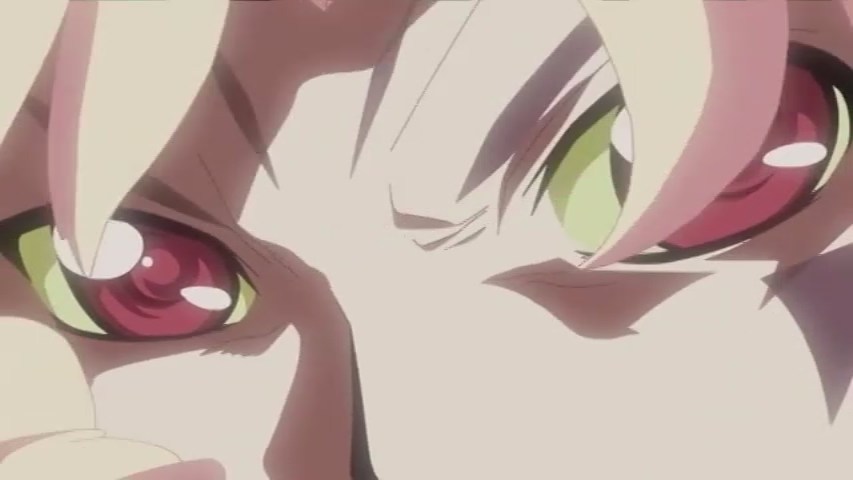
Interviewer: As you mentioned, Toei didn’t have a Chief Animation Director, so the animation director’s style is reflected on each episode. When you first took on the role as Animation Director, how did you treat this job? Also, during the process of amending Key Animations while working as the Animation Director, which area did you find most challenging? How do you determine whether the episode’s intention and Key Animation are on point?
Hayashi: At the time, I thought of an Animation Director as a role that takes control over the episode’s entire artwork. I did it under the impression that “I will amend it all on my own”. The challenging part will always be battling with a tight schedule. If the episode’s intention doesn’t match up with the layout, I will fix it. Gradually, it became “Why don’t I just draw a bunch of layouts myself from the beginning?” In the end, I was choking myself with my own hands. I would instantly approve the ones that were drawn well, so this came with the issue of the passion and mindset for drawing.
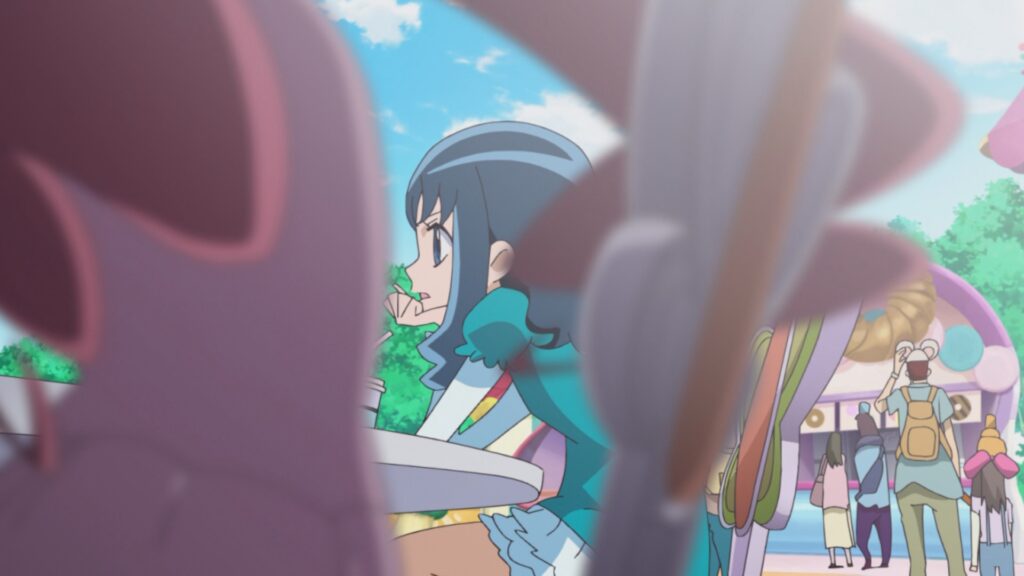
Interviewer: You said “Why don’t I just draw a bunch of layouts myself from the beginning?” and that felt so real to me. After drawing numerous layouts on your own, did anything change inside you? For example the way you interact with Key Animators, your understanding towards the role of an Animation Director etc, do elaborate more on that. Also, regards to the way you “Instantly approve drawings that were done well”, do you have your own judgement standard that is similar to “This could pass”?
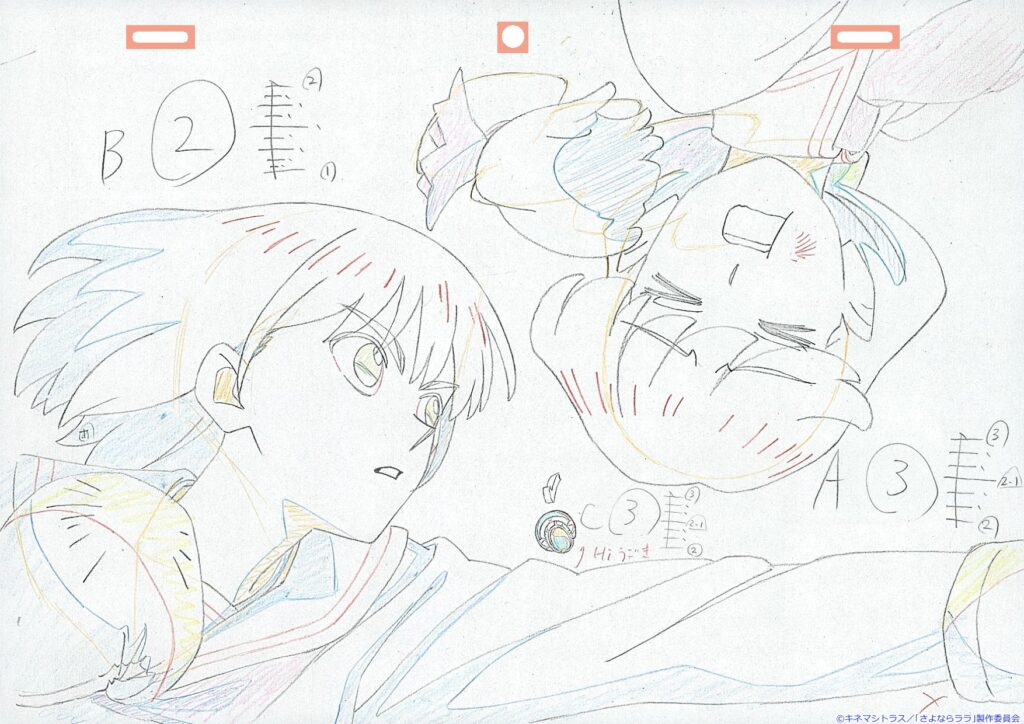
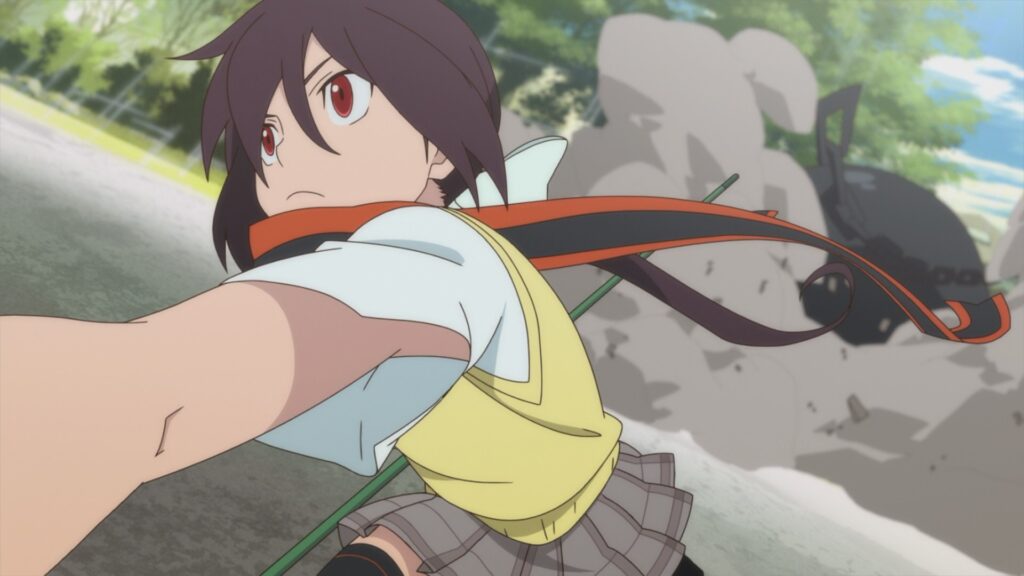
Hayashi: A classic example for such an extreme case would be for the TV series of Kyousougiga. I chose 50 to 100 cuts through thumbnails of key scenes, and then drew the rough layout. This way the frames appear more grounding, and it’s easier as reference for the animators when doing the cuts before and after, the episode would have harmonious cuts, so I thought the results would be good. As a subsidiary effect, I could get my hands to work faster. This part has been recorded in Kyousougiga’s archive, you can take a look if you’re interested.
At the time it was done for the sake of problem solving, so not much thought was given. There is no quantitative standard for immediate approval, it all comes down to the situation at the moment.
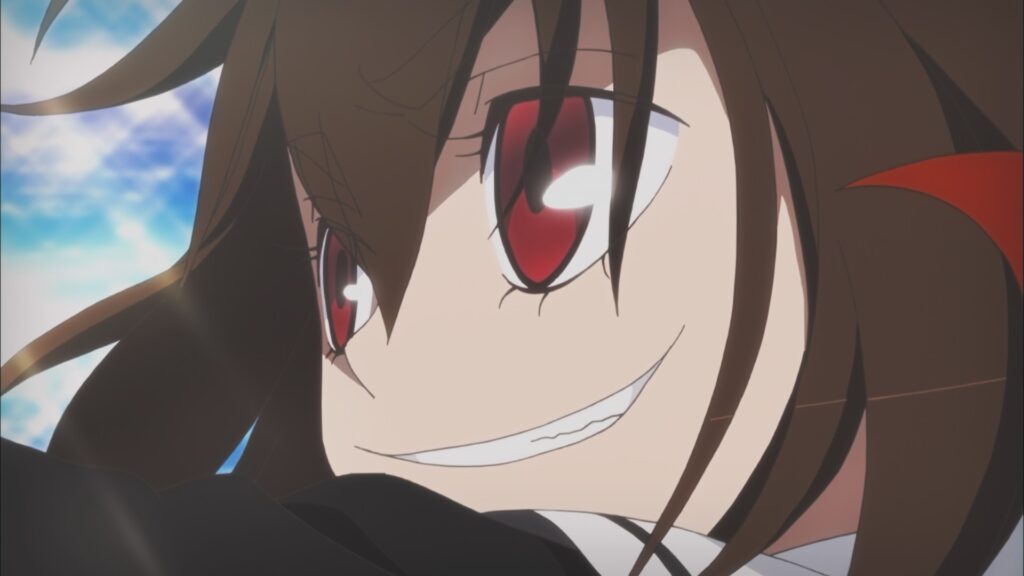
Interviewer: Please share with us your work routine during your time at Toei. I imagine Toei to have many works that are airing all year round, so how is your work arrangement and rhythm like under such circumstances? Additionally, do you engage your work differently between peak and slow seasons?
Hayashi: Back then we had a tight budget and schedule, so I didn’t enjoy doing TV series over an extensive period of time. From the time taken to refine individual frames while ensuring consistent quality, I would put my focus mainly on the movie versions of the show. I prefer working on a single subject for several months, and then take a break for a couple of weeks after it’s finished. During that time I would play games, go on hikes, and read books. If I was careless I might start working again, so I would try to remind myself to do things outside of work. Once I start the next project, it would be the preparation phase, if I was part of the main staff for the project, I would follow along to do location scouting.
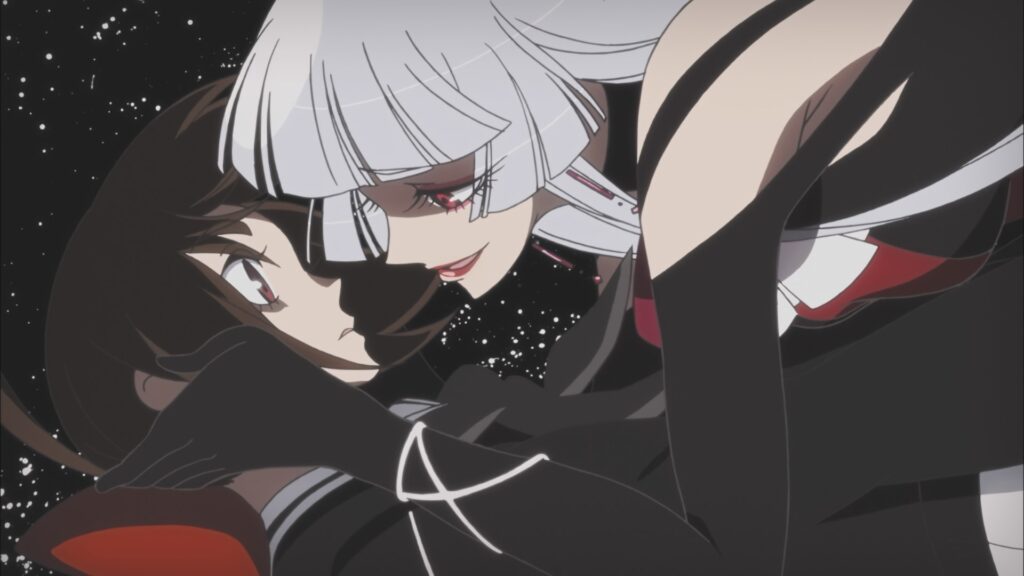
Interviewer: Please share with us the skills that you’ve mastered at Toei. When you were handling Key Animation while working as the Animation Director, did you acquire any skill or ways of expression that felt like “This is something that only could be learned in Toei”? Did you feel that these skills would continue to be useful even when you’re freelancing?
Hayashi: No, these skills can be learnt even in other companies. It just so happened that Toei’s environment was a perfect fit for me. I simply chose to leave because I had other things I wished to do.
Interviewer: As a freelancer who has experienced multiple projects, do you ever feel that your art or work style has changed? For instance, you took in something new that Toei didn’t have, or on the contrary, intentionally leaving behind something that was accumulated from Toei. If there is such an experience, we hope that you could tell us more.
Hayashi: Despite switching places, my working style has not changed, but over the years of transitioning to digital, I felt some changes. In order to familiarise myself with new tools, there was a time of trial and error, but to me it’s a positive change.
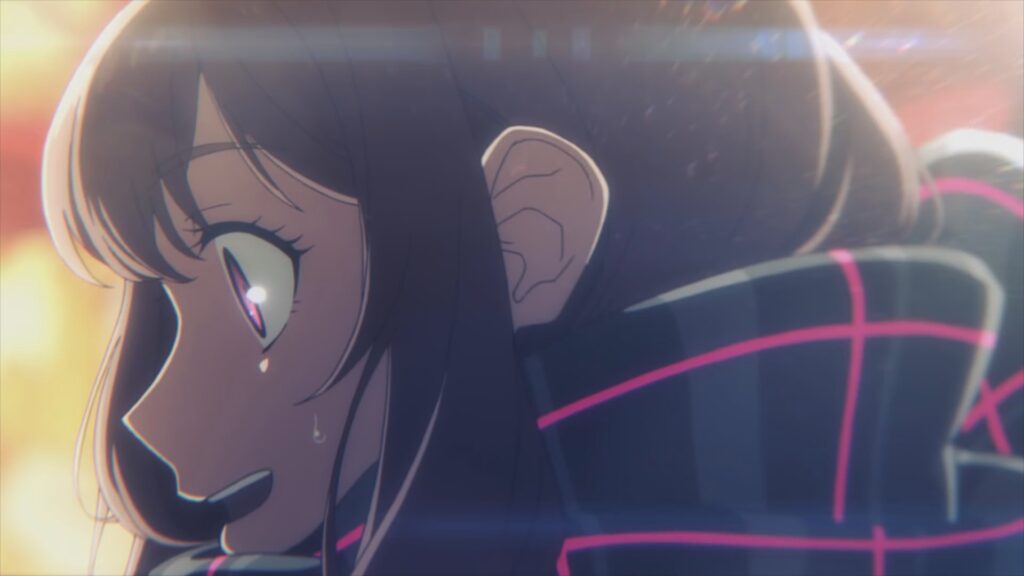
Interviewer: The way I see it, Hayashi-sensei’s art style has become more aesthetic-focused. From Kyousougiga, Baby I Love You Daze, and GOTCHA!, the character designs are very attractive. If you were to comment on your own, how would you say so?
Hayashi: I was simply redesigning based on the original work’s direction, I don’t see myself excelling in terms of character design. However I do feel grateful knowing that you said that. For me, I see myself more as a technical person with workmanship spirit, as a result I’m happier to be working on movements itself. I do however get bored easily, so if there could be some degree of switching up work, perhaps the balance would be better.
Interviewer: So this is how Hayashi-sensei thinks of himself (laughs). Personally I’m excited to see you take on character design once more. In the movie My Hero Academia: You’re Next that was aired a while ago, you teamed up with Yoshihiko Umakoshi to work on the character design, I think it has been 4 years since then?
Hayashi: That was working with Horikoshi-sensei’s original design with Umakoshi-sensei’s TV series design as the basis, so it didn’t really feel like “I participated in the design”, it was more like assisting in research material design. When it comes to original works, the idea that “I designed this” becomes detached, it feels more like someone else’s work.
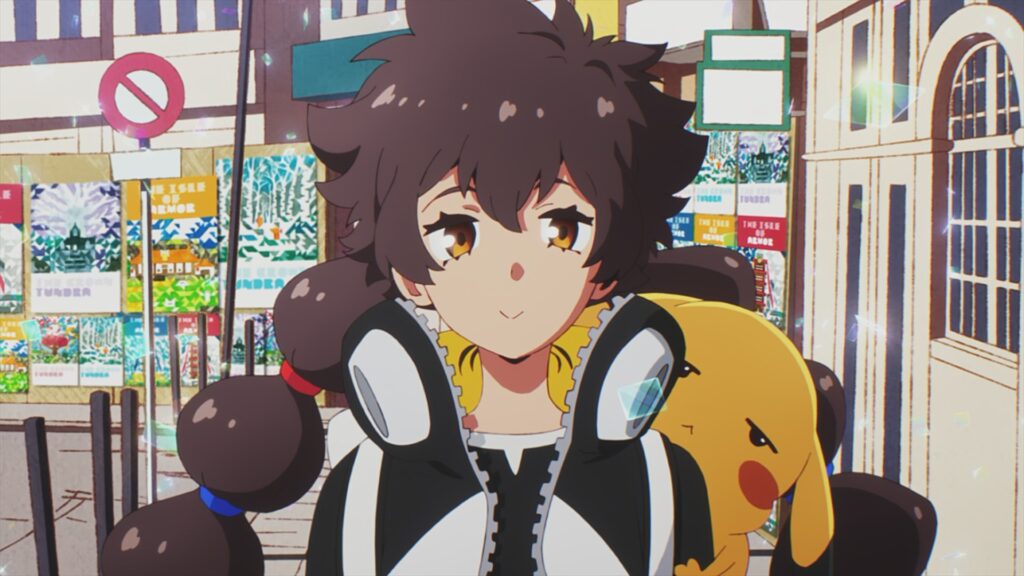
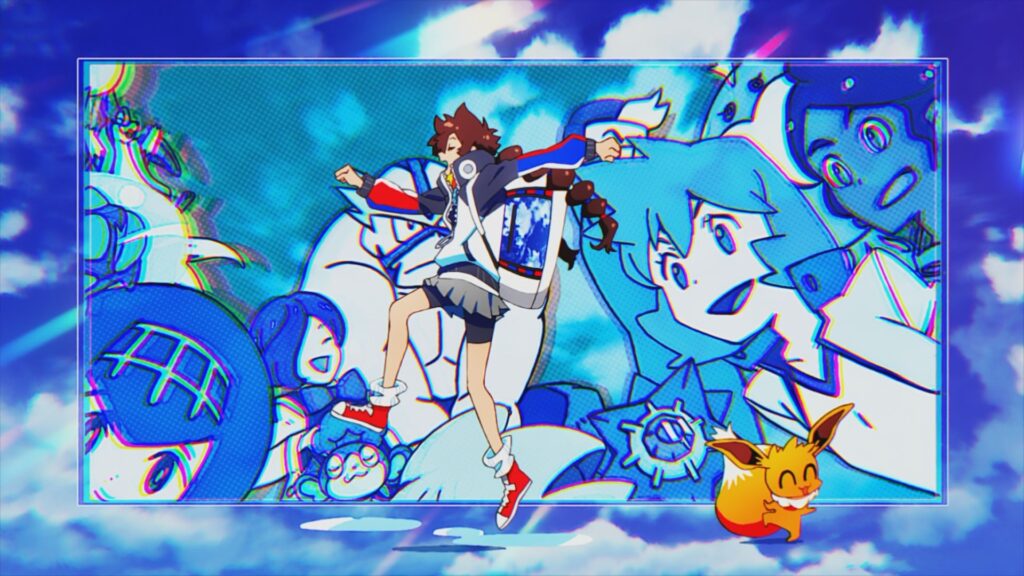
Interviewer: What was it like when you were working on GOTCHA! ? It has been a while since you’ve teamed up with Rie Matsumoto again.
Hayashi: Of course the designs were based on Matsumoto’s directions.
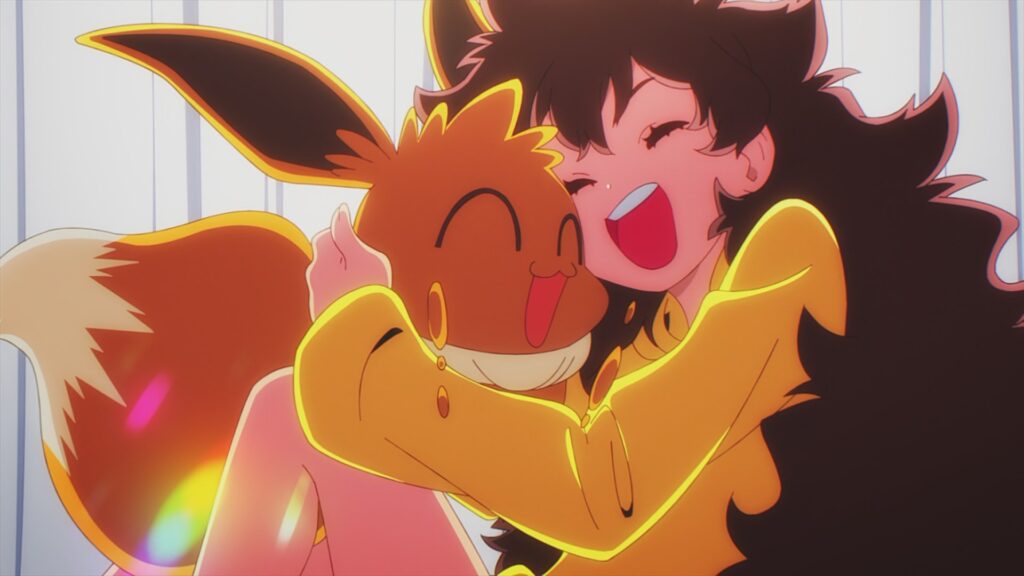
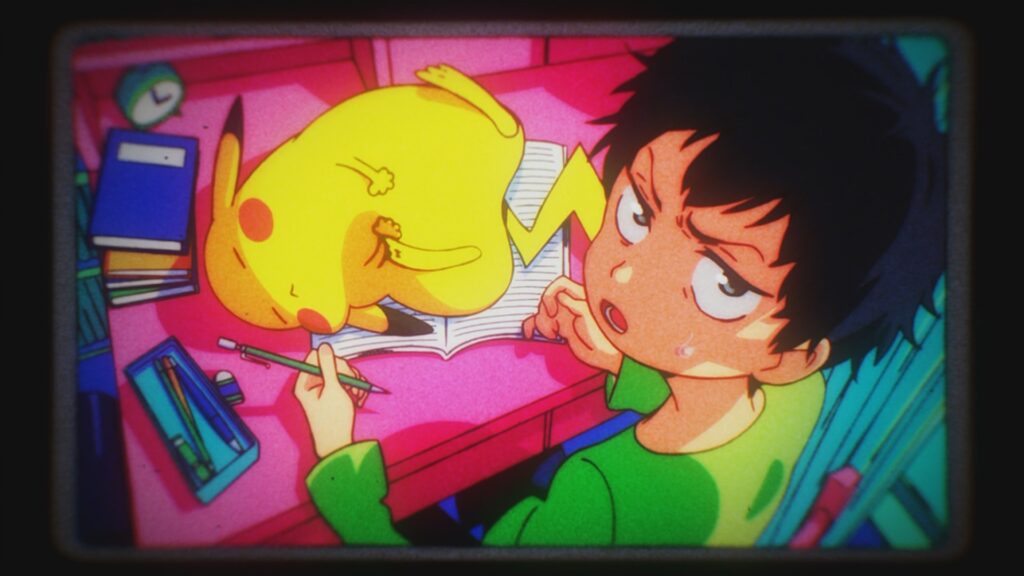
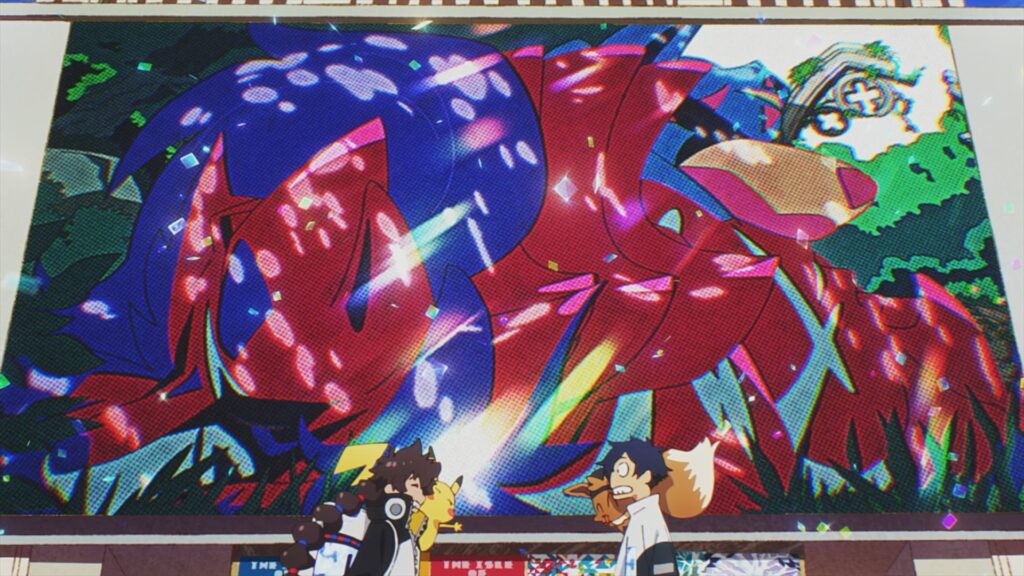
I never would have come up with Eevee and Pikachu’s designs from my own perspective, to be honest I thought I was gonna get yelled at, or for it to not get approved? Incidentally it went by swiftly, I thought the people at Pokemon were really big-hearted (laughs). The characters in the music video retained Matsumoto’s colours, while the Pokemon characters have their designs as a baseline with a twist in some direction. I forgot the rationale, but I remembered the director saying “This would be better”.
Interviewer: Moving on, I would like you to share your long term values when you’re drawing. As an animator participating in works, do you have a point where “I would never tolerate this”, or vice versa a borderline where “I won’t do this”? If there is any, do tell us about it.
Hayashi: This really changes from time to time. I don’t have a fixed idea for “This is where I draw the line” (because I worry that having that view will become shackles to me). When speaking about the awareness while working now, it would be the understanding of the basics of storyboards, considering how to express from multiple angles, and also avoiding getting too repetitive. Whether it is walking or running, movements will have changes depending on the scene and character’s mental state. If time permits, I wish I could be aware of this at all times. When there’s no time, well… that’s also another skill.
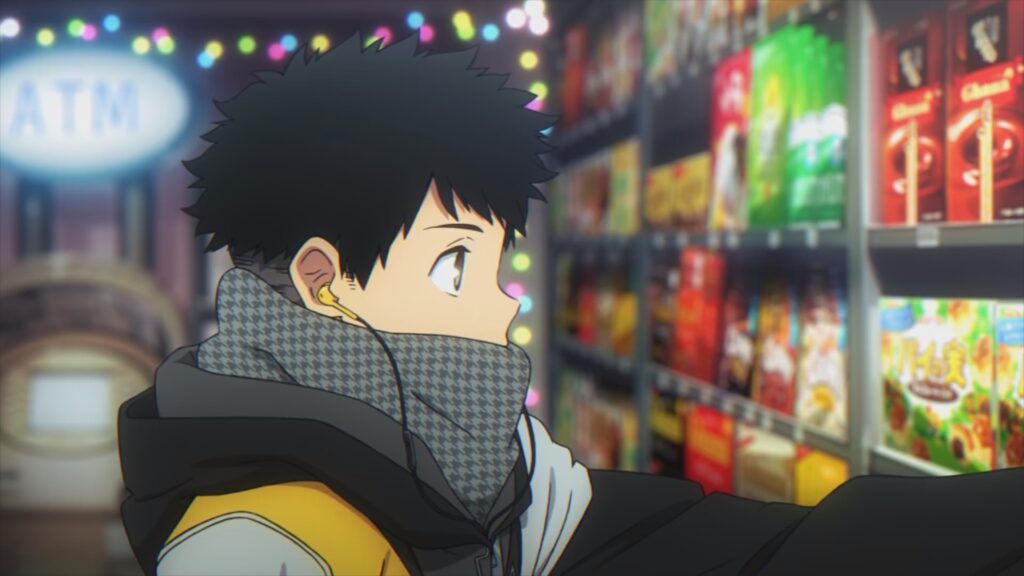
Interviewer: You said that “Depending on the scene and character’s mental state, the movements will change”, I think that’s pretty meaningful. Specifically for “walking” or “running”, how do you differentiate them when drawing? For example, how does a character’s feelings and current state get intertwined into the movements? I hope you can elaborate on the way you consider this. Also when you said, “When there’s no time, that’s also another skill” left a deep impression on me. Under the constraint of time, how do you preserve quality? If there is any method or skill in mind, we hope to hear about it too.
Hayashi: I’m not sure if I can articulate this verbally, an example would be a scene where the character is rushing down the stairs; if we were to just focus on doing the action, the person’s gaze would be on their feet moving quickly down the steps. However if it was not this case, and we had the person have a stronger pursuit, maybe adding “I’m late for my meeting, gotta hurry up” as the emotion, the gaze would naturally be forward, and the person might leap off at the last three steps or so. The person could even experience inertia right up to the hallway before coming to a stop.
The impression becomes very different compared to the first action, hence the way a character’s emotion is presented is very important. (Of course, age, personality, and other factors will complicate this.)
The skill when having no time, it’s not really some special effort, it’s just that you need to compromise to some degree (bitter laugh). The priority will simply become based on sequential order of the frames.
Interviewer: In order to integrate a character’s feelings into movements, how exactly do you do it? For instance, besides reading the message from storyboards and scripts, do you fill in the character’s background and emotions first before drawing, or do you naturally find out through the process of drawing? I hope you can go in depth on this. Also, you mentioned “Becoming better at prioritising the frames based on the sequential order”. With limited time, where do you prioritise, what do you compromise; if there are similar things that are used to evaluate standards, please share with us.
Hayashi: There are no special methods, this can only be improved by reading the storyboard carefully, if there’s an original creation, look into referencing it, and then add your own accumulated experience to build on it.
Regarding prioritising order, the main evaluation standard would be – preserve the areas where there’d be a deep impression like the face, time is short, the moment it flashes by just let go.
Interviewer: You said “Add your own accumulated experience to build on it”. In regards to these accumulations, have you seen any works, key animations, or while drawing on your own that made you feel “I’m saving this as my drawer item (reserved for later)”? On the note of “Time is short, the moment it flashes by just let go”, is there any scenario where you felt that you can’t lose your guard even for a split second?
Hayashi: There’s way too many situations like this, rather than saying it’s a specific work, the influence of looking at other people’s piled up key animations and layouts is much bigger. Additionally, the experience of constant failure through your own hands, I think it’s also a kind of accumulated experience.
If you can’t even be sloppy with short frames, then it would be the character’s expressions and execution of the emotion. If it’s drawn carelessly, it won’t be as convincing.
Interviewer: In your long years of drawing key animations, when do you think is the epitome of key animation? Also if there is an area when drawing key animation where you persist to never compromise, please share it with us.
Hayashi: That’s probably when I could properly give an expansion while comprehending the intentions of the storyboard. If I can feel fresh excitement, that would be the most ideal depending on the circumstances, the timing of the sheet is where I don’t want to compromise (laughs).
build note: Daigomi 醍醐味 is used by the interviewer here. After looking up the etymology of the word, it literally means “flavour of ghee”. In Buddhism it’s the fifth taste of the Nirvana Sutra and is the ultimate truth and greatest nirvana. This has very little to do with the interview I just thought it was funny.
Interviewer: When drawing key animation, what are the things that make you feel “This is my speciality” and “I’m not too good at this”?
Hayashi: When drawing actions that look happy, my pen feels light and moves on its own.
As for something I’m not good at… what would that be? To align the action of inorganic items that are in order, I guess that’s something I’m weak at.
Interviewer: When incorporating the character’s feelings or emotions into action with “Performance-based animation”, what do you focus on the most? Between performative and action-based animation, do you feel that there’s a difference in methods?
Hayashi: Although the answer might be repeated from the previous question, most probably would be focusing in from multiple angles.
I personally don’t see much difference between the two methods, but I do enjoy drawing action-based animation more.
Interviewer: You talked about transitioning to digital in recent years. After going digital, did you feel any changes in the way you draw or express? Between traditional and digital, is there any difference for you in terms of “Drawing with ease” or “The extent of expression”?
Hayashi: Oh definitely~ With digital I can have an immediate preview, which gives me a stronger desire to control the animation compared to the past. In short, digital makes it more convenient to animate in “cells”, and situations where we had to draw everything on a single sheet has reduced. I can kind of understand why digital animators have multiple layers for compositions.
With paper, there’s this underlying pressure when encountering cuts like “Ugh, it’s so thick!”. However with digital, no matter how much is drawn, you don’t get that physical thickness like seeing stacks of paper, so it’s more peaceful to continue drawing.
The friction of drawing is half the enjoyment of the art. Picking the right stylus tip and screen protector (film) is important in replicating that feeling.
Interviewer: In your active years as an animator, did you have any change of attitude towards key animation or ways to stay motivated? Also, if you have any moments where you could feel the joys of drawing key animation even today, do share with us.
Hayashi: I guess it would be not being afraid to try even just one new thing.
I’ve done work on projects for so long, requests for frames that were similarly done in the past have increased, so even if it’s changing up your style just a little, as long as you’re adding something new, it’s easy to remain motivated.
Interviewer: As an animator working on the front lines for so long, is there a period where you felt your skills or way of expression has significantly grown, or conversely, a period where you felt you’ve hit the wall? If so, how do you overcome this?
Hayashi: Speaking of walls, a recent one would be three years ago while transitioning to digital. I strongly felt the debuff, my head and arms were splitting apart, I couldn’t grasp the shapes, it was torturing. Later on I tried to allocate more time to get familiar with the settings, asked for suggestions from my juniors, and after some adjusting, I finally pulled through. I was just a klutz, it was so embarrassing.
Consequently, it feels easier to manage the structure of animation compared to the past. I think.
Interviewer: To this day you have not done Storyboards and Episode Directing, may we know the reason for it? Have you ever developed an interest for episode direction?
Hayashi: There’s no particular reason for it, probably just because I don’t have a strong enough desire to get into it. I only like drawing and animating, to be given a topic and asked to start over and expand on it makes me even happier. Of course, in order to create a good composition, I would have to step into the realm of Episode Direction to some degree, but within the limits as an animator. To the people who draw Storyboards, I’ve always respected them highly.
Interviewer: Finally, please share with us the things you want to challenge as an animator moving forward, or even targets you want to achieve.
Hayashi: As it’s easier to manage colours with digital tools, I’d like to learn more about it. I’ve got a vague target, but that’s a secret. I hope to continue on working, thank you!