

Hello everyone, do you like the interview translations on this website so much that you wished that we packed more of them into a single article? Well you’re in luck because this time, you’ve got just that!
Today we’ve got one of anime’s greatest directors and massive Nutella fan, Naoko Yamada, talking about Jaadugar: A Witch in Mongolia which is currently airing. In these interviews, Yamada talks about what it’s like working with Abel Gongura, the director of the show (spoilers: he’s apparently pretty good at this directing thing), her trip to Mongolia and how she plans to raise an army of super smart anime fan geniuses. Personally, I am already a super smart anime fan genius, so I support Yamada’s plans wholeheartedly.
These interviews were actually posted on two different websites but because I am a super smart anime fan genius, I merged them together into one convenient article! You can thank me later.
We can also thank Arenillas for passing these articles onto Magical Stage too!
Let’s hop right in then!
Translation by “nui”, Editing by me – Tenmaku no Jaadugar: A Unique Challenge Set in 13th-Century Mongolia. An Interview with Chief Director Naoko Yamada was originally published on mantanweb in July 2026. Link: https://mantan-web.jp/article/20260618dog00m200122000a.html
Tenmaku no Jaadugar: A Unique Challenge Set in 13th-Century Mongolia.
An Interview with Chief Director Naoko Yamada on Winning Audiences Over with Pure Visual Art.
The TV anime Jaadugar: A Witch in Mongolia, based on the manga by Tomato Soup that topped the female category of Kono Manga ga Sugoi! 2023, premiered on TV Asahi’s “IMAnimation” block. Set in 13th-century Mongolia, this unconventional historical tale is animated by studio Science SARU, featuring Naoko Yamada as Chief Director and Abel Gongora as Director. We sat down with Chief Director Yamada to get the casual, behind-the-scenes scoop on how this distinct project came to life.
What does a Chief Director actually do?
Jaadugar: A Witch in Mongolia follows Sitara, a young girl captured by the Mongol Empire who decides to use her sharp wit to infiltrate the royal court and tear the massive empire down from the inside. This project marks the first time Yamada has taken on the specific title of “Chief Director.”
Naoko Yamada: Calling the role “Chief Director” sounds fancy, but honestly, it’s more like being a cheerleader! (laughs). I felt the best setup was whatever allowed Abel Góngora to fully unleash his creativity. So instead of pushing my own ideas, it’s more about staying close and supporting him to make the project shine. We split the duties so that I stepped in during the script phase, while Abel handled the visual side. For the most part, he runs the day-to-day work on the floor.
When asked what makes Director Abel so charming, she answers instantly: “Everything!”
Yamada: Where should I even start? (laughs). The more we work together, the more he blows my mind. First off, he absolutely loves animation. That’s his core, but it doesn’t stop there. He’s super interested in and conscious of all kinds of art and culture, plus he has a great sense of playfulness. And he’s stubborn in a good way. He stays completely obsessed and approaches creating with this incredibly fresh mindset. He gets wabi-sabi too, so there are honestly zero gaps in his game (laughs). I’ve never seen him mess up, his feedback is razor-sharp, and everything he says hits the nail on the head. I often watch him steer the ship with such a delicate balance. He’s the type who can switch up his approach completely for every project, so the next time he directs something, it’ll probably be completely different.
nui note: Wabi-sabi is a Japanese aesthetic and philosophical concept that celebrates the beauty of imperfection, impermanence, and natural simplicity. Rooted in Zen Buddhism, it teaches you to embrace the natural cycle of growth and decay, finding peace in objects that are weathered, modest, and unique rather than striving for artificial perfection.
A spatial yet beautifully flat visual style
The 13th-century Mongol Empire is an incredibly rare setting for a manga or anime, and it might be unfamiliar territory for a lot of viewers.
Yamada: If I hadn’t come across this manga, I probably would have never learned about this setting, so that hooked me immediately. Plus, the sheer power of the artwork is incredible. You start reading thinking it’s just a cute series, but it quickly gets intensely wild in the best way possible. It felt like a total sneak attack! Honestly, I felt it was a really tough project to adapt. It’s backed by historical facts while mixing in fiction, and the original author, Tomato Soup, tells the story with the vibe of a traditional biwa hoshi (lute priest storyteller). Fatima (the main character Sitara), was a real historical figure who is said to have met a tragic end. It’s a heavy, complicated work in many ways. Tomato Soup’s perspective is fascinating. You can feel this deep love dripping from it, yet it stays so calm and objective. The balance is unreal. I kept thinking, “How on earth do we turn this into an anime?” But Abel really prioritizes the characters’ emotional shifts and glances, which I think makes it super engaging as an animated piece.
build note: Mongolia is a very rare setting indeed for anime. From what I’ve watched, Lupin III Part II Ep.37 and Ojamajo Doremi Ep.31 are the only two episodes that come to mind. Do you lot know of any others?
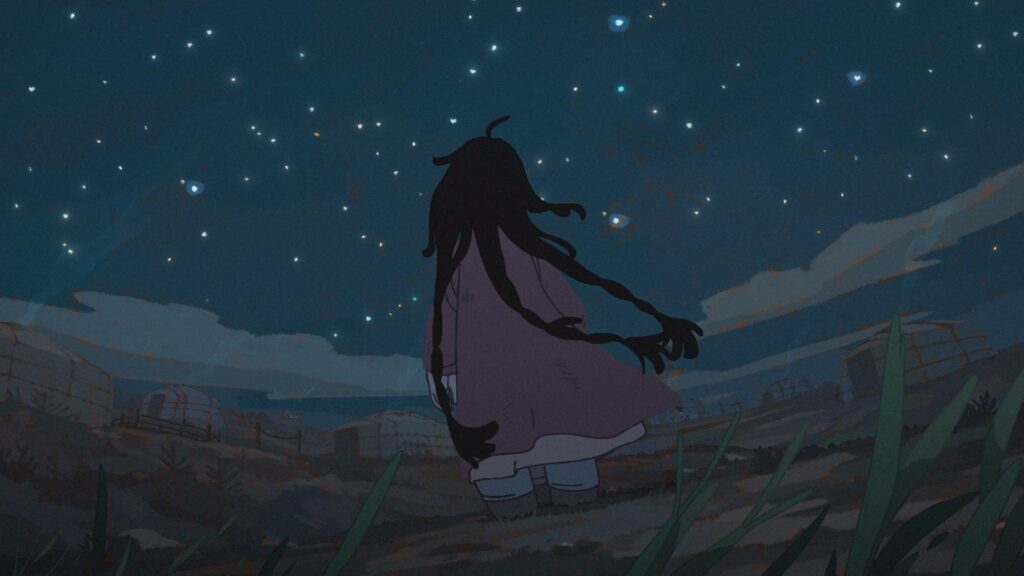
The anime features a striking visual style that balances a flat layout with a surprising sense of depth.
Yamada: We wanted to preserve the flat beauty of Islamic miniatures, the clean, inorganic symmetry of the buildings, and characters that look flat and 2D. We wanted it to feel spatial while still locking in the unique charm of a 2D plane. We want the design to look stunning, so we’re incredibly picky about it. When the setting shifts from Persia to Mongolia, the landscape opens up infinitely. Laying that out while keeping a flat feel demands massive design skills. It’s a seriously bold challenge.
Even as an animated show, the layout and compositions are beautiful enough to make you want to hit the pause button.
Yamada: I think there are subconscious emotions you experience just from how the screen is laid out. We aren’t going for photorealism; we’re elevating it into pure art. It feels like we are tapping right into the source of creativity.
Designing the screen from scratch
Despite being a work of fiction, the team put massive care into accurately portraying the culture and daily customs of 13th-century Mongolia.
Yamada: We have experts thoroughly research everything, and we approach the drawings with absolute respect. If there’s something we don’t know, we ask and make sure we don’t leave it vague. We try to keep an open, flat perspective instead of a biased one. We actually travelled to Mongolia to talk to the locals. Even though it’s a 13th-century story, I figured there must be things deeply rooted in their daily lives that haven’t changed. Things like, “There’s a cloud over there, so it’s gonna rain soon.” Being out there myself, it totally clicked why they would think that way. We’re trying to cherish that handed-down, living sensation.
Yamada’s directorial works are famous for capturing the tangible atmosphere of their environments, which comes from this dedication to real experience.
Yamada: I think that’s incredibly important. That’s why I always insist on doing location scouting. Especially since anime is entirely “made-up,” if it stays purely artificial, it just feels off to me. Even if we’re altering things or letting our imaginations run wild, I want to inject something grounded and deeply rooted at the core. I believe touching the actual air is vital. I want to capture a piece of the atmosphere, the light, the scents, and that’s what I look for during location scouts.
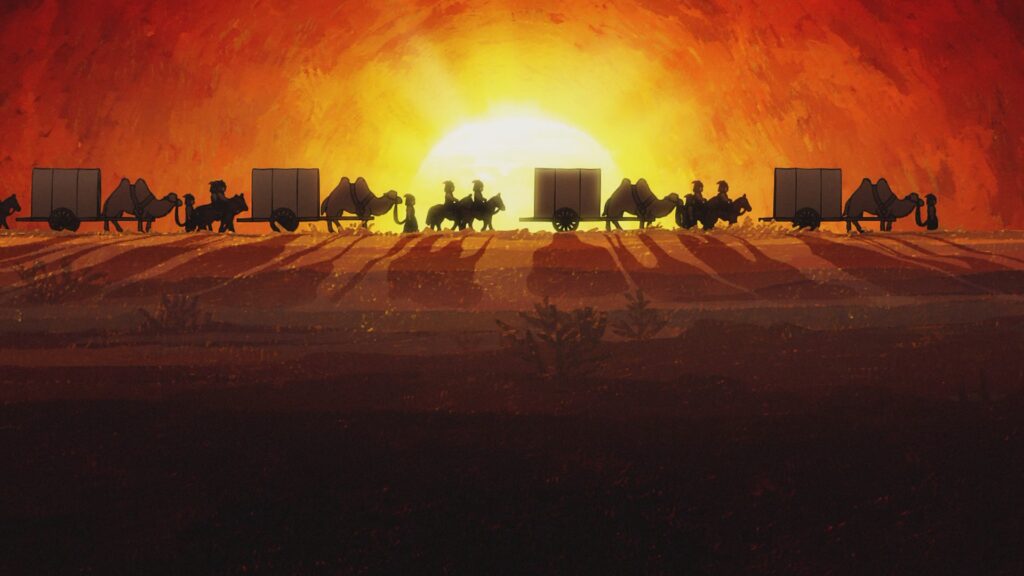
The character designs also strike a beautiful balance: stylized anime faces paired with highly detailed, realistic clothing. The Character Designs for the anime is by Kenichi Yoshida, a veteran animator from Studio Ghibli known for his character designs in The Orbital Children, Gundam: Reconguista in G, Eureka Seven and Overman King Gainer.
Yamada: Kenichi Yoshida is just phenomenal. He does an insane amount of research for everything he tackles, and honestly, nobody else could hit this exact balance. Every single time the key animation drawings come in, I’m just floored by how incredible it is. He actually loves Mongolian history, so every time we meet up, he teaches me all sorts of cool facts.
Yamada adds with a smile: “We’re not finished yet, but it’s just so much fun.”
Yamada: Usually, I tend to create visuals that look like they were shot through a camera lens, but we didn’t take that approach at all this time. On a technical level, instead of using lens blur, we expressed depth by shifting colors through atmospheric perspective, almost like we were graphic designing the screen. It has this unique flavor that only anime can deliver, and relying purely on the power of the drawings made it a total blast to work on. Though I guess I sound like I’m talking about it in the past tense! (laughs).
Translation by “nui”, Editing by me – Naoko Yamada Talks About Jaadugar: A Witch in Mongolia – “A Work That Makes You Think” was originally published on animatetimes in July 2026. Link: https://www.animatetimes.com/news/details.php?id=1782438290
Naoko Yamada Talks About Jaadugar: A Witch in Mongolia – “A Work That Makes You Think”
The TV anime Jaadugar: A Witch in Mongolia started its broadcast on the 4th July 2026. Based on the popular manga by Tomato Soup, this highly anticipated adaptation features Abel Gongora as Director and Naoko Yamada as Chief Director.
Animate Times sat down with Chief Director Naoko Yamada to discuss the series. She shared stories from the team’s research trip to Mongolia, where they faced the overwhelming power of nature, and spoke about how deeply connected the people’s lives and philosophies are to their environment.
She also opened up about her collaboration with Director Gongora, the appeal of the main character Sitara and her emotional complexities, and what it was like working closely with the original creator, Tomato Soup. From the thrill of discovering the unknown to the choice to keep evaluating humanity and culture, we dove into how Jaadugar: A Witch in Mongolia captures the pure joy of learning and thinking.
Feeling Nature, Philosophy, and Daily Life Firsthand
Interviewer: Let’s start from the beginning. How did this anime adaptation of Jaadugar: A Witch in Mongolia actually get off the ground and start moving forward?
Naoko Yamada: It all started when I first heard that Science SARU was going to adapt Jaadugar: A Witch in Mongolia. On top of that, they mentioned that Abel might be directing it. I remember thinking, “Wow, that sounds like an incredibly fun project!” So I practically jumped in and asked, “Is there anything at all I can do to help out…?” That’s how I got involved.
Interviewer: The team actually went on a research trip to Mongolia, which is the setting of the story. I heard you even ran into some crazy strong winds out there.
Yamada: Oh, absolutely. I honestly thought we were going to die at one point (laughs). I say that jokingly now, but it was really a moment that made me realize just how terrifying nature can be.
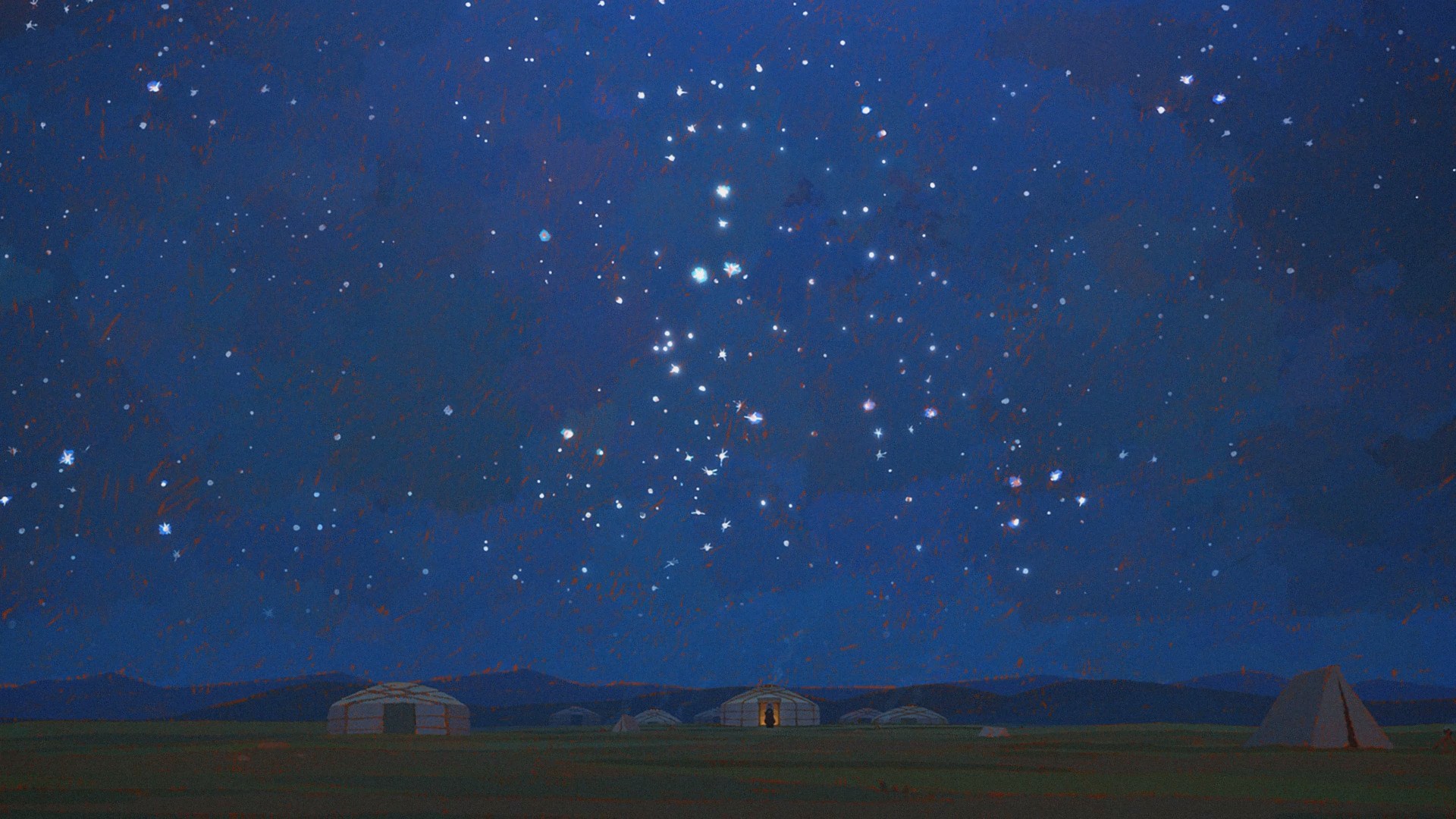
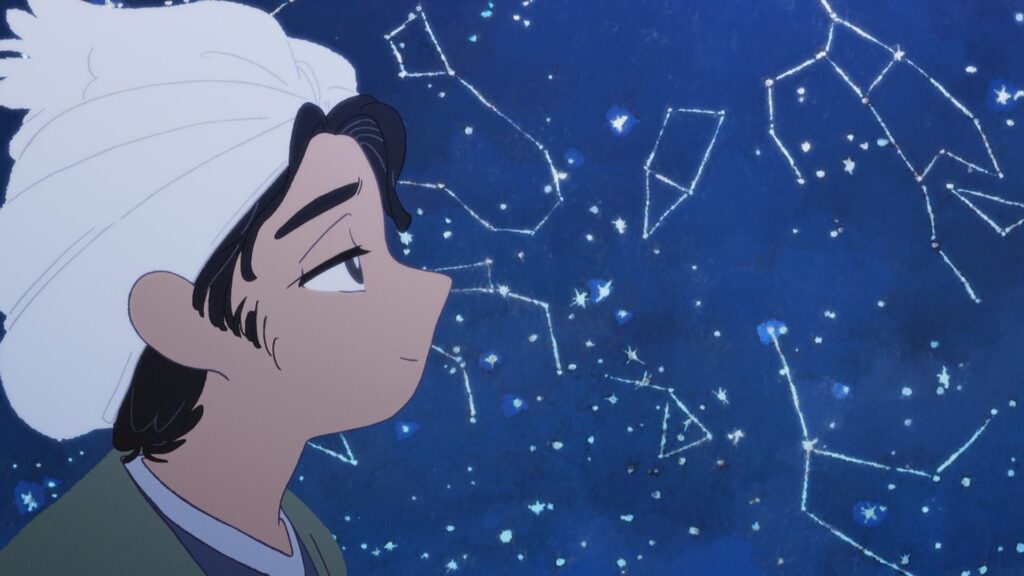
It wasn’t the kind of gentle breeze or pretty starry sky you usually romanticize. The stars felt so close they were almost crashing down on us, which was kind of scary, and the wind was so intense it felt like it could literally blow your body away. It made me realize how closely the local people live with that kind of raw natural power.
Interviewer: So it’s completely different from the scale of the mountains and nature we have in Japan?
Yamada: Well, Japan has its own distinct kind of natural strength, and I have a ton of respect for the people who live through it, enduring things like harsh mountain winds in their daily lives. Mongolia is the same in that regard. I have deep respect for the wisdom the people there have built up over thousands of years to live in harmony with nature. You can’t really compare them; they are both incredible.
Interviewer: Did you really feel that wisdom and way of life during your research trip?
Yamada: Yes. Talking to the locals made me realize just how deeply rooted their perspective is in the land itself. You have the sun, the sky, and the earth, and there’s this profound awe and respect for them. Their philosophy and ways of thinking flow directly from that relationship. They face nature with such purity and directness, and their faith and daily routines are completely woven into it. Seeing that first-hand really made it click for me.
Thanks to that trip, I feel we were able to weave those long-cultivated human sensibilities and perceptions much more deeply into the fabric of the anime.
A Work Written with Real Grit
Interviewer: The original manga by Tomato Soup also places a huge emphasis on that specific perspective toward the land and culture. What were your first impressions when you read it, and what drew you in the most?
Yamada: The art style is just so cute and graceful. That was the first big hook for me. But then, before you know it, you realize you’re reading this incredibly intense, almost terrifying story.
That magical, unique balance is something you don’t find anywhere else. My very first impression was that it didn’t look like your typical grand, sweeping historical epic at first glance. That gap between the cute style and the heavy plot was so fascinating that I just fell completely in love with it.
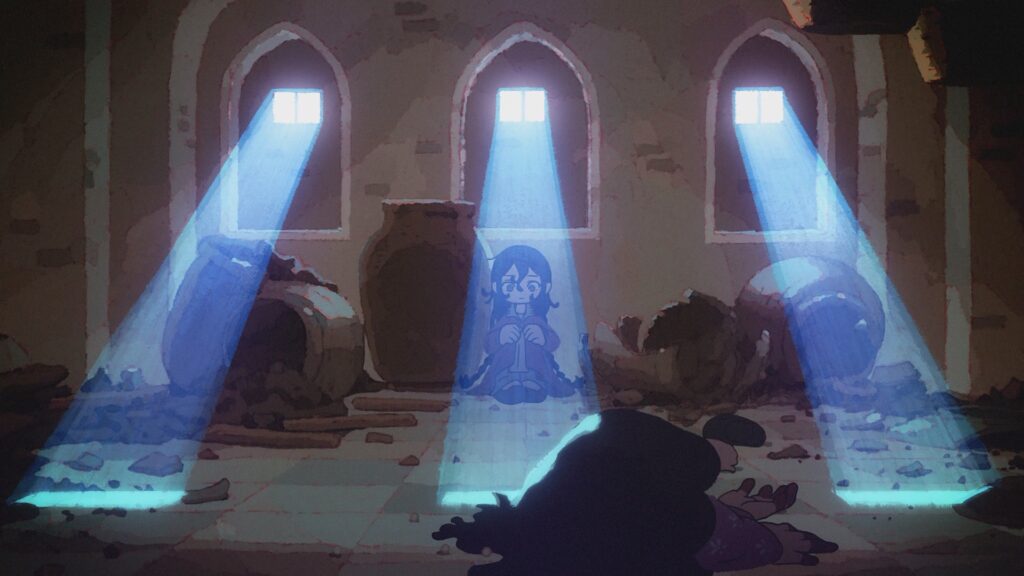
Interviewer: It feels like a massive historical narrative and the intimate, detailed perspectives of each character exist together perfectly.
Yamada: Exactly. As we dug into the actual history and read up on the real historical figures who inspired the characters, we started to see exactly what Tomato Soup chose to pull from reality, what they invented, and how they built each character. Once we realized that, we saw the sheer amount of work that went into it. You can tell it’s a work written with absolute grit and determination.
Interviewer: So the series has a real sense of resolve baked into it.
Yamada: It really does, and that in itself is amazing. Plus, the more you dive into this project, the more fun it becomes to learn about history. It acts like a bridge to things you might have known absolutely nothing about before. Your interest just naturally expands and deepens. That’s the real beauty of it. It’s a series that remains incredibly exciting as it unfolds.
Letting Director Gongora’s Imagination Run Wild
Interviewer: When it came to bringing this manga to life on screen, what were the things you valued or paid the most attention to?
Yamada: Since the story revolves around two countries with completely different cultures, the most important thing for us was to treat both cultures with deep respect. I think that was our top priority throughout production.
Interviewer: While there’s plenty of respect, the show also has a very grounded, objective feel. For instance, characters use heavy terms like “slave” quite naturally.
Yamada: It’s presented with the tone of “this is simply how things were back then.” Even regarding the word “slave” and the system itself, there’s a lot that I’m learning for the first time. For example, in Persia where Sitara lives initially, they lived together almost like a family.
As you engage with the story, it constantly challenges the assumptions you might have held. It makes you think, “Wow, I had no idea,” and that’s exactly what makes you want to learn more.
Interviewer: With that kind of approach to the adaptation, what exactly has your role been as Chief Director?
Yamada: Instead of taking the reins and driving everything myself, I’ve mostly been acting as a one-woman cheer squad for Director Abel Gongora (laughs). I’m always just eager and excited to see what Abel is going to do next.
Interviewer: So instead of pushing your own ideas, you’re more focused on supporting what Director Gongora brings to the table?
Yamada: In terms of mindset, I want to be someone who never gets in the way of Abel’s imagination.
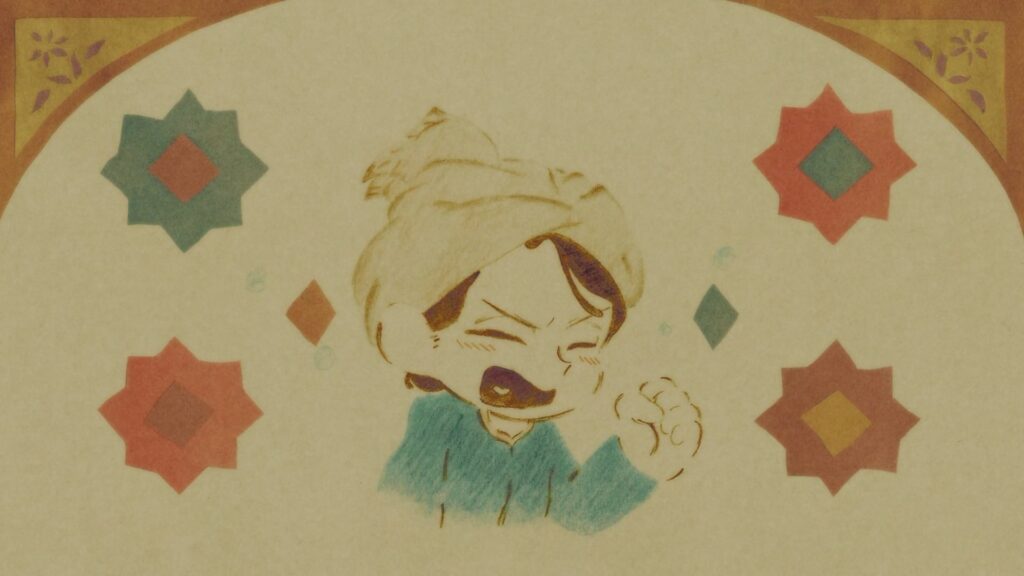
Interviewer: What do you find most appealing or trustworthy about Director Gongora as a creator?
Yamada: When I first worked with him and got to talk to him, how should I put it… I had this absolute conviction. I genuinely felt like he was someone who was simply born to create. In a way, he looks at things very objectively, but at the same time, he has this stubborn strength where he won’t compromise on quality. Plus, he’s able to maintain multiple perspectives all at once.
He balances an objective viewpoint with just the right amount of subjective feeling. Ultimately, everything he does converges on a single point: what is absolutely best for this project.
Everything Abel has seen, studied, and found interesting in his life is poured unreservedly into his work, and his instinct for choosing what fits is just incredible. I feel like if he were to make a completely different project next, he’d build an entirely different universe from scratch. He gives off this vibe of having a four-dimensional pocket full of endless ideas.
Interviewer: Like he can just pull anything out at will. That makes you really curious about what’s inside that pocket.
Yamada: The amazing thing is that it all feels completely seamless coming from him. He absolutely loves Japanese animation and is a huge fan of classic Japanese cinema too. When you look at his work, you can feel a deep sense of wabi-sabi at the core. His sense of balance is truly remarkable.
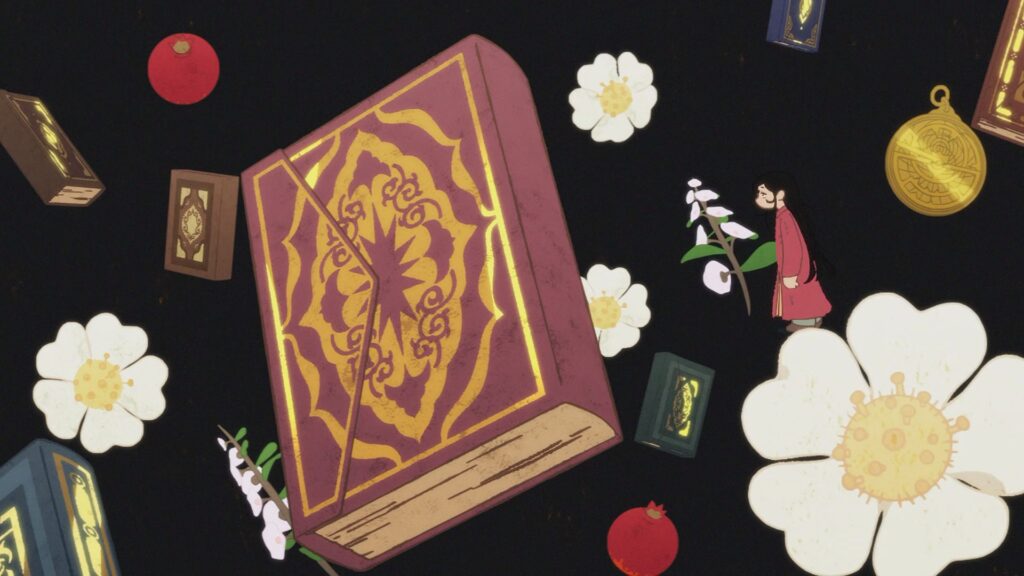
Interviewer: Director Gongora mentioned in his own interview that you have an amazing way of capturing a character’s inner world. This series features a huge cast. How did you approach understanding and guiding all these different people?
Yamada: Whether it’s this project or any other, if you approach it with the mindset that every single character has their own internal logic and their own version of justice, the size of the cast doesn’t really feel overwhelming. Everyone is unique. Sometimes you just accept that it’s perfectly natural not to fully understand them right away. It’s a lot like simply sitting down and listening to what that person has to say.
Even with its large cast, the characters in Jaadugar: A Witch in Mongolia are written beautifully from the start. The more you research them, the more you find yourself wanting to express this side of them or highlight that trait.
Interviewer: Do you usually look at characters that way when you’re engaging with a story in your daily life too?
Yamada: Yeah, I think I just accept them for who they are, like “Oh, so that’s the kind of person they are.” Instead of coldly analyzing them, it feels more like a learning experience, thinking, “Wow, so that’s how they see things.”
We Checked In with Tomato Soup a Ton
Interviewer: What kind of communication did you have with the original creator, Tomato Soup?
Yamada: Oh, we sent a massive, unbelievable amount of questions their way (laughs).
Whether it was during the scriptwriting stage, creating the settings, drawing the art, or building the animation, we kept asking, “What exactly was your intent behind this part?”
Of course, we expand on things creatively for the anime, but we never wanted to do anything that went against Tomato Soup’s vision. We spent a lot time fine-tuning that alignment. From the author’s perspective, they were probably thinking, “Wow, these guys ask a lot of questions!” (laughs). We asked about everything from massive plot elements to tiny, granular details. I’m sure we asked some pretty blunt or obvious questions at times too.
Interviewer: So you really hammered out the details together. I’d love to ask about the casting as well. I was personally blown away by Muhammad’s performance. It felt so incredibly pure yet intelligent. The actor, Jun Saito, mostly works in live-action, right?
Yamada: To be honest, I hadn’t even imagined Saito for the role, and I didn’t think we’d actually be able to get him. But when he came in for the recording sessions, it felt like Muhammad was standing right there in the room. He was absolutely brilliant.
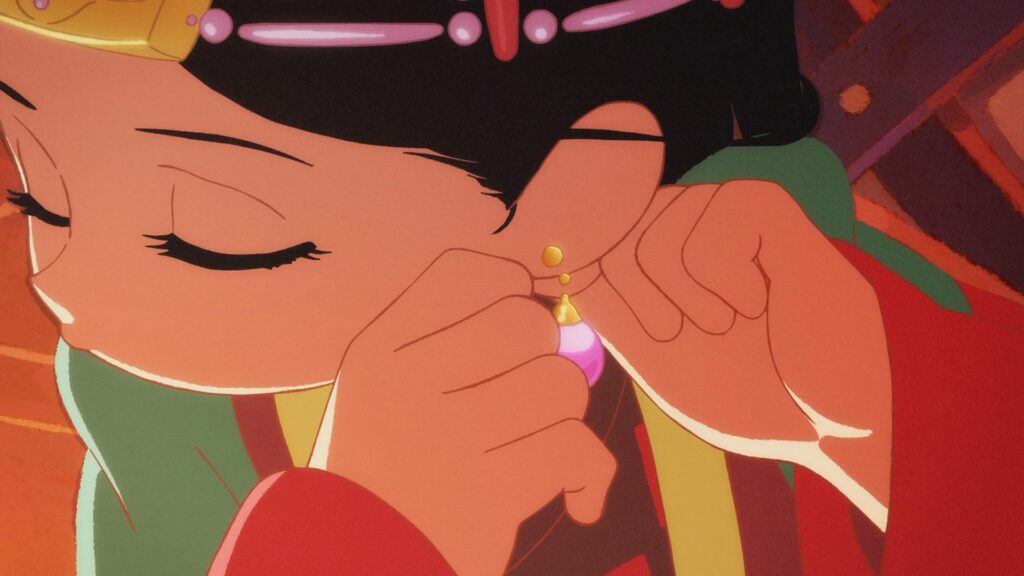
Interviewer: Akira Sekine, who plays Sitara, also does an amazing job capturing her complex, dual nature.
Yamada: Yes, she really captures the fact that Sitara isn’t just one-dimensional. She’s tough and calculating, but she also has these endearing, slightly clumsy moments. Sekine portrays those emotional fluctuations beautifully.
Learning and Thinking Alongside Sitara
Interviewer: What are your thoughts on Sitara’s character and her role in the story?
Yamada: Sitara is a character who constantly shifts and adapts. Depending on where she finds herself, she absorbs everything around her, and her way of thinking changes. Because of that, some people might see her as lacking consistency. At a glance, it might look like she changes her mind easily. For instance, she gradually develops an appreciation for Mongolia, the very empire that took everything from her.
While that makes her feel deeply human, I also think she’s a very unusual type of narrator for a story.
Interviewer: A narrator who shifts and changes.
Yamada: Seeing the world through Sitara’s eyes makes all the characters around her look incredibly compelling. At the same time, if you try to follow Sitara’s logic too rigidly, there might be moments where she suddenly leaves the audience behind. I don’t even know what kind of woman she will grow into yet. As of right now, I just see her as a deeply human character.
Interviewer: Sitara uses learning as a tool for survival. On the flip side, in our modern world, it sometimes feels harder to find hope in education or intellect. How do you view the meaning of learning and intellect, which are such core themes of this work?
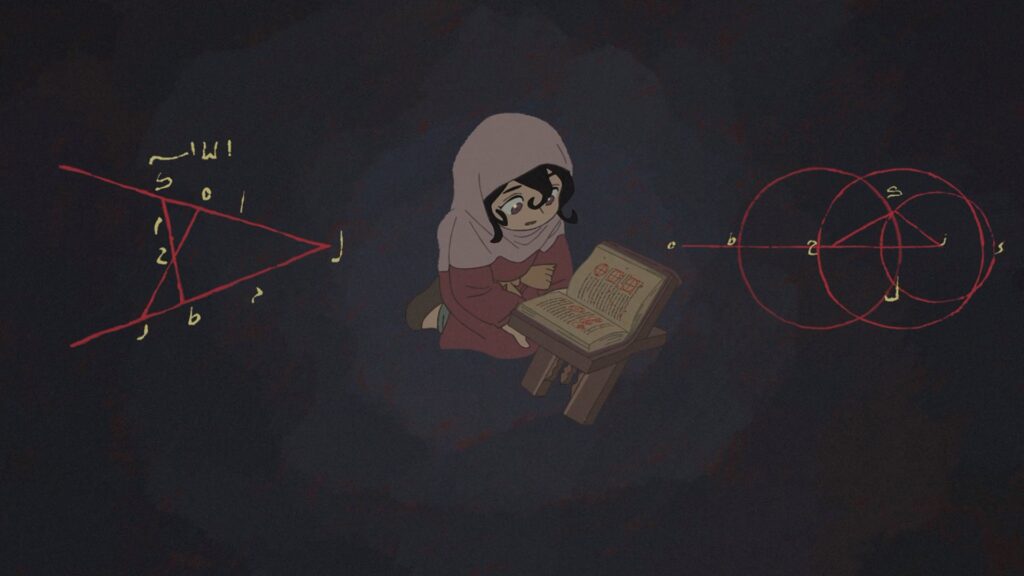
Yamada: The world is full of things we don’t know. Information is everywhere, and it’s easy to look at a screen and feel like you understand something when you actually don’t, or just leave your misconceptions uncorrected.
It has become harder to question things, think deeply, and just pause for a moment. But when you engage with this anime, it forces you to actively think. Learning is fun, it builds your confidence, and it creates this really positive ripple effect.
With the internet and social media, algorithms tend to make us hyper-focused, trapping us in bubbles where we only see what we already like. However, I think most people have had that experience of going to a bookstore, picking up a random book they had zero interest in, and finding it absolutely amazing. I never want to lose that feeling, and I believe Jaadugar is a series that lets you experience that joy of thinking and discovering.
Interviewer: It really does bring back that feeling.
Yamada: It wakes up parts of your brain that you haven’t been using lately, making you go, “Oh right, I remember what it feels like to use this part of my mind.”
It’s a series that actively makes you think, rather than just prompting a passive reaction. It allows you to watch and engage with it dynamically.
Interviewer: So instead of being “made to think,” you are actively “doing the thinking.”
Yamada: Exactly. I would be thrilled if the viewers could watch and discover how they personally feel about it, treating the show like a live call-and-response between the series and themselves.





Pingback: Jaadugar: A Witch In Mongolia Production Notes #01-06 - Historically Accurate Animation Meets Compelling Artifice - Sakuga Blog